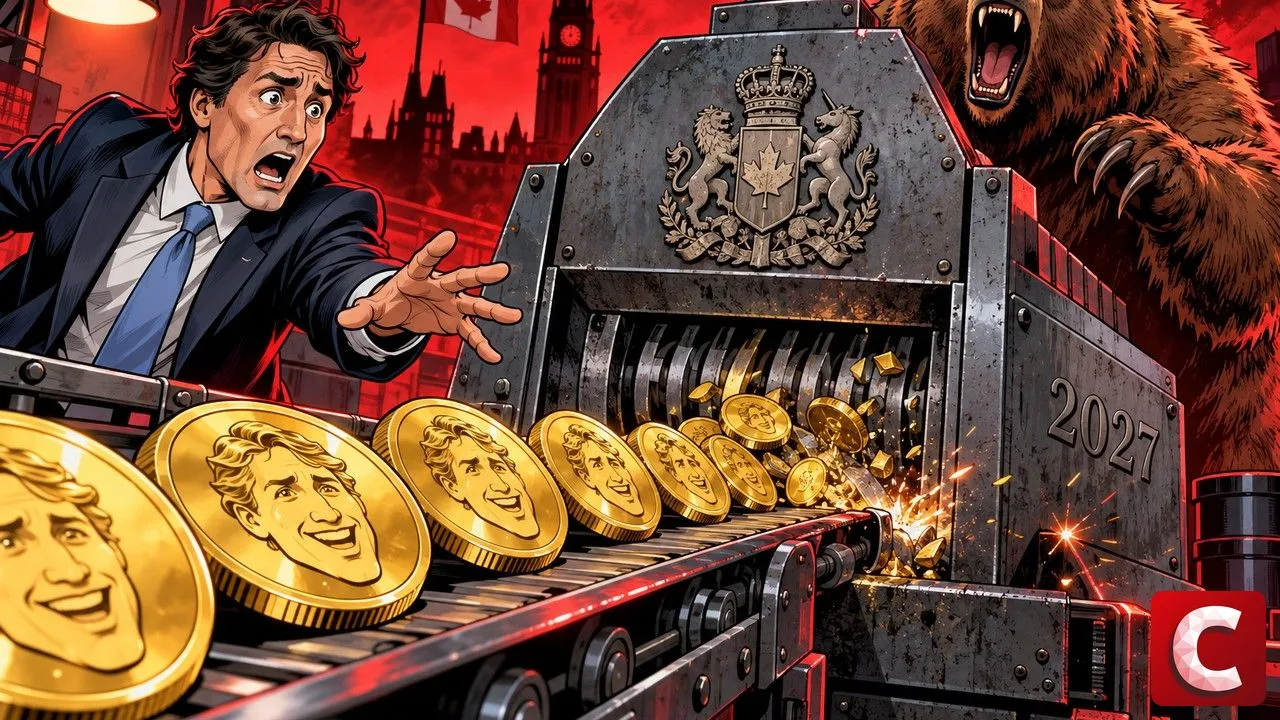
Gavin Newsom signed AB 2409 on Sunday, barring California public officials from issuing memecoins. The law reaches trading venues too, which must stop offering state residents any token launched by a public official once January 1, 2027 arrives. The governor tied his signature directly to the TRUMP token, which his office says cost buyers more than $3B.
Key Takeaways
- AB 2409 bars every California public officer, elected or appointed, from issuing a memecoin.
- From January 1, 2027, platforms may no longer offer Californians memecoins launched by a federal, state or local official.
- The attorney general and local prosecutors can seek injunctions and disgorgement of any proceeds.
Get an AI Summary of This Article
ChatGPTAB 2409 Closes Memecoins to Every California Public Officer
Assemblymember Avelino Valencia, a Democrat representing Anaheim, introduced the bill on February 20. It cleared both chambers without a single dissenting vote, 77 to nothing in the Assembly in May and 40 to nothing in the Senate on August 26. Newsom signed it on September 27 inside a batch of eleven bills his office frames as a crackdown on officials profiting from their own office.
The reach goes well past elected seats. The statute captures state and local public officers, members of the legislature, appointed members of boards and commissions, and public employees who hold decision-making power over bids and contracts. A procurement officer sits inside the same perimeter as a state senator, and the ban on issuing memecoins applies with no carve-out for rank.
How the enacted text of AB 2409 defines the asset matters as much as the prohibition. A memecoin is a digital asset marketed or recognized mainly through its association with internet memes, public figures or fictional characters, deriving its value from public interest, speculation or community engagement. That wording is loose enough to catch memecoins that dress themselves up as utility projects.
Enforcement stays with offices that already exist. California’s attorney general, district attorneys, city attorneys and county counsel can bring civil actions, seeking injunctive relief alongside disgorgement of whatever the issuance earned. Lawmakers built no new supervisor for memecoins, which shortens the runway to enforcement and leaves the doctrine to form through early cases.
The scenario legislators had in mind is already on the record. In September, the LAPTOP memecoin launched by Hunter Biden with 30% of supply kept by its founders showed in real time how much a recognizable name can pull in within hours. California is shutting that playbook out of its own institutions before it settles in.

The TRUMP Token Gave Newsom His Political Argument
Newsom made no attempt to hide the target. His office headlined the announcement “The Opposite of Trump,” and the governor wrote that no official should profit off their office, adding that the state is putting stronger protections in place to keep it from happening.
Every figure his office put forward concerns the presidential token. Close to a million purchasers lost more than $3B on it, while Donald Trump cleared roughly $636M. The gap between those two numbers is the exact mechanism the statute sets out to make unworkable at state level.
Those sums belong to a wider tally, since investor losses across the family’s crypto ventures come close to $4.7B once every line is counted. The memecoin accounts for one slice of that, sitting alongside governance tokens and dollar-pegged products.
Washington explains part of the timing. The Digital Asset Clarity Act failed in the Senate on September 15 by 49 votes to 50, with ethics questions around the president’s crypto holdings weighing on the outcome. With no federal framework in place, states are writing their own rules on memecoins, which risks a patchwork of local regimes.
Newsom signed SB 1208 the same day, carried by Senator Tim Grayson, covering money laundering through digital assets and tightening restitution rules for victims of crypto fraud. Both bills share one logic, going after the misuse rather than the instrument.
Also on Cryptonomic:
- What Max Pain Really Predicts in Bitcoin Options
- XRP Ledger Pushes Its Batch Upgrade to October 9
- Ledger and Kraken Bring Cold Storage to Tokenized Stocks
What Platforms Will Have to Screen From 2027
The industry-facing duty starts on January 1, 2027. From that date, a digital asset service provider cannot offer a California resident any memecoin issued after that same deadline by a federal, state or local official, or in partnership with one. Tokens already circulating beforehand fall outside the screen.
The operational cost is real. Pinning down who issued a token, then establishing any tie to a public official, calls for diligence that few venues run on memecoins today, where listings often turn on volume within hours. The statute converts a trading call into a compliance question.
Public appetite for politically branded crypto had already thinned before the law landed. The withdrawal of three Truth Social crypto ETFs for want of subscribers showed that name recognition on its own struggles to hold a financial product together over time.
One state sets the boundary here, and an issuer can still work the other 49. Practical impact therefore rests on imitation, because California carries enough weight in digital consumption that a venue may prefer a single filter across the whole US market to slicing its listings by jurisdiction. The memecoins caught by the rule would then stay off catalogues far beyond California.
For an investor, the useful takeaway is a calendar line. Politically branded memecoins stay tradable everywhere through December 31, 2026, and access narrows after that, in California first and then in whichever states copy the template.
Follow the story on Cryptonomic.